
Fencing Cleaned Without Stripping the Surface
Fence Cleaning in Blairsville for wood and vinyl fencing with mildew, dark streaking, and algae buildup on shaded panels
The north-facing side of a privacy fence in a shaded yard accumulates mildew and dark streaking in a pattern that looks like the boards are failing when they are actually just dirty. Aaron's Pressure Washing, LLC soft washes fences by default, which means the cleaning solution does the primary work and the rinse pass runs at reduced pressure so boards and vinyl panels are not gouged, raised, or stripped. Properties in Blairsville and surrounding areas often have privacy fencing that sits in shade for long stretches of the day, and that side of the fence needs a gentler approach than an open surface would.
The crew assesses wood type and finish condition before pre-wetting the fence surface, then applies a diluted cleaning solution and allows it to dwell before rinsing from the top down. Rinsing top-down on a fence matters because solution and loosened material running downward can redeposit on lower boards if the rinse starts at the bottom—the sequencing is not arbitrary. Both sides of the fence should be confirmed in the job scope before work starts, since the shaded side typically carries more biological growth and may need a longer dwell period.
To confirm the scope and set up a fence cleaning appointment, call Aaron's Pressure Washing, LLC directly at (706) 897-1862.
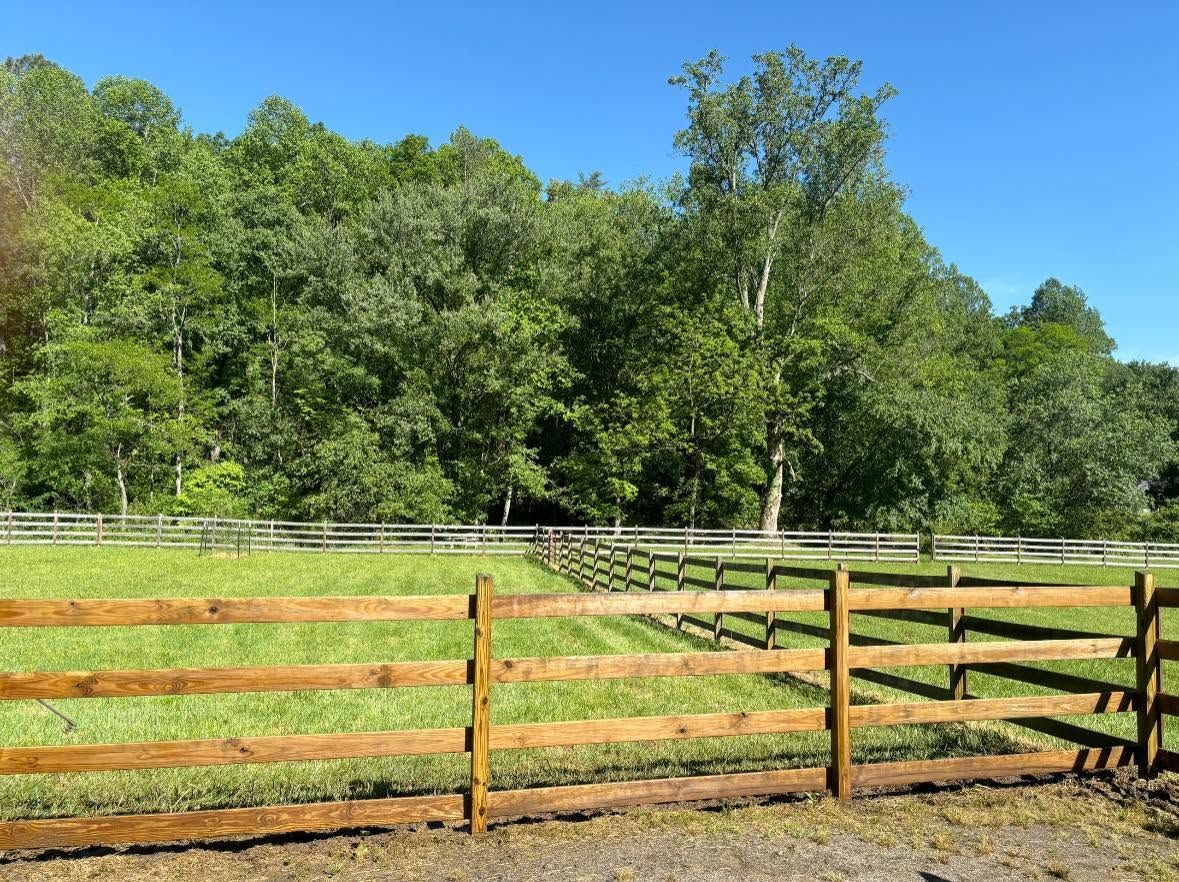
The Difference Between Soft Washing and Pressure Blasting a Fence
Pressure blasting a wood fence at a setting appropriate for concrete will raise the grain, strip finish, and leave fiber fraying along board edges that accelerates weathering afterward. Soft washing uses a diluted chemical at a dwell time calibrated to the contamination level, so the rinse pass can run at a pressure low enough to remove loosened material without mechanically damaging the wood structure beneath. For vinyl fencing, high pressure can crack panels or force water behind the panel into the post bracket, which creates concealed moisture problems that show up later as rust staining or post movement.
After cleaning, both sides of the fence return to a consistent color and the dark streaking that makes shaded sections look permanently discolored is gone. Wood grain becomes visible again where mildew had obscured the surface texture, and the overall appearance reflects the material's actual condition rather than years of biological accumulation. Whether a stain or sealer application makes sense after cleaning depends on the existing finish condition and the wood species—that is a separate decision worth discussing once the surface is clean and its true condition is visible.
Aaron's Pressure Washing carries general liability coverage through Van Keith Insurance and backs every fence cleaning job with a satisfaction guarantee. Asking whether both sides are included and whether any post-cleaning treatment is recommended are the two most useful questions to raise before the job begins.
Answers About How Fence Cleaning Is Done
Fence cleaning decisions vary by material, finish condition, and how much shade the fence receives. The questions below address the steps involved and what the finished result should look like.
How does the cleaning solution work differently on wood versus vinyl fencing?
On wood, the solution penetrates the grain to break down mildew and biological staining without requiring pressure to scour the surface; on vinyl, it targets surface algae and oxidation without the absorption that wood allows, so dwell time and concentration are adjusted accordingly.
Why does the rinse pass run from the top of the fence down rather than starting at the base?
Loosened debris and cleaning solution run downward during the rinse, and starting at the bottom traps contaminated water above the rinsed area, which redeposits material on boards that have already been cleared.
What should you look for in the finished fence surface to verify the work was done correctly?
Consistent color on both sides with no dark banding or streaking, no raised or fuzzy grain on wood boards, and no pressure marks or blowout damage on panel edges indicate the pressure and dwell time were appropriate for the material.
How does shade exposure on a Blairsville fence affect how the cleaning is approached?
A fence panel in full shade for most of the day develops heavier mildew loading on the shaded face and may need a longer solution dwell time than the sun-exposed side—the crew treats each face based on its actual contamination level rather than applying a single dwell time to both.
When should stain or sealer be reapplied after fence cleaning?
The right time to assess that decision is after the fence is clean and dry, because the true condition of the existing finish becomes visible only once the surface contamination is removed—cleaning first and then evaluating produces a more accurate decision than planning the recoat before the surface has been seen clean.
Aaron's Pressure Washing also cleans fences in Hayesville, Dahlonega, Helen, Cleveland, and Young Harris. To discuss your fence material and set up a cleaning visit, call (706) 897-1862.